Mar 12, 2026
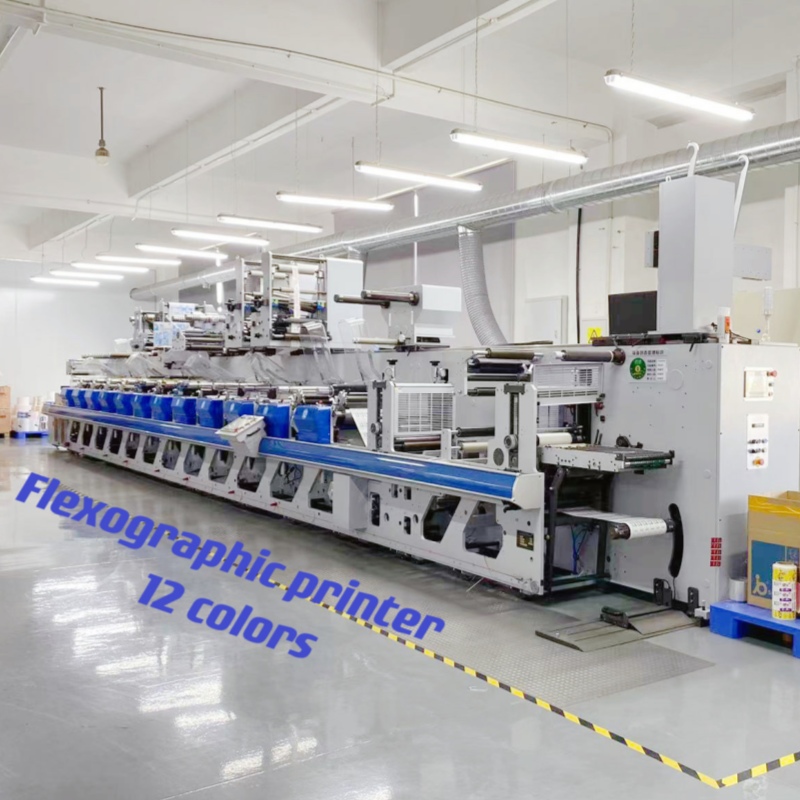
Label berperekat digunakan di berbagai industri, termasuk kemasan makanan, botol minuman, kosmetik, logistik, dan farmasi. Meskipun label mungkin tampak sederhana, pembuatannya melibatkan proses manufaktur yang tepat untuk memastikan akurasi pencetakan, daya rekat yang kuat, dan kompatibilitas dengan mesin pelabelan.Artikel ini menjelaskan bagaimana label dicetak langkah demi langkah, mulai dari persiapan desain hingga pengemasan akhir.1. Persiapan Desain dan Pra-cetakTahap pertama pencetakan label adalah persiapan desain.Pelanggan biasanya menyediakan file desain dalam format seperti:AIPDFCDREPSSebelum produksi dimulai, tim pra-cetak memeriksa desain dengan cermat. Proses ini biasanya meliputi:memverifikasi mode warna (Pantone atau CMYK)memeriksa resolusi gambarmemastikan kejelasan kode batangmenyesuaikan teks kecil atau detail halusmenambahkan area bleed dan garis luar die-cutPersiapan pra-cetak yang tepat memastikan bahwa label yang dicetak sesuai dengan desain yang diinginkan dan mengurangi risiko kesalahan produksi.2. Produksi Pelat CetakSetelah desain disetujui, langkah selanjutnya adalah produksi pelat cetak.Teknologi pencetakan yang berbeda membutuhkan jenis pelat yang berbeda pula.Pelat cetak fleksografisPencetakan fleksografi menggunakan pelat fotopolimer. Desain dipindahkan ke pelat menggunakan teknologi pencitraan laser. Pelat ini kemudian mentransfer tinta ke bahan label selama proses pencetakan.Pelat cetak offsetPencetakan offset menggunakan pelat aluminium. Pelat tersebut memisahkan area gambar dari area non-gambar, memungkinkan tinta berpindah secara akurat ke material.Kualitas pelat cetak secara langsung memengaruhi ketajaman dan konsistensi label yang dicetak.3. Pemilihan Bahan LabelSebelum proses pencetakan dimulai, produsen memilih bahan label dan perekat yang sesuai dengan aplikasinya.Bahan label umum meliputi:label kertasLabel film BOPPLabel PETLabel PESetiap material memiliki karakteristik yang berbeda. Misalnya:Label BOPP sering digunakan untuk botol minuman karena kedap air.Label PET memberikan daya tahan dan ketahanan kimia yang lebih tinggi.Label kertas umumnya digunakan untuk aplikasi makanan dan logistik.Perekat juga dipilih berdasarkan kondisi penggunaan, seperti:perekat permanenperekat yang dapat dilepasperekat tahan bekuBahan-bahan tersebut dipasok dalam gulungan besar untuk efisiensi produksi.4. Proses Pencetakan LabelGulungan bahan dipasang pada mesin cetak.Selama proses pencetakan, langkah-langkah berikut terjadi:Tinta dipindahkan ke pelat cetak.Pelat tersebut memindahkan desain ke bahan label.Beberapa unit pencetak menerapkan warna yang berbeda.Mesin pencetak label modern dapat mencetak berbagai warna dalam sekali proses, sehingga menjamin efisiensi produksi yang tinggi.Teknologi pencetakan label umumDua metode pencetakan yang paling banyak digunakan adalah:Pencetakan fleksografiscocok untuk produksi kecepatan tinggibanyak digunakan untuk label kemasankompatibel dengan banyak materialPencetakan offsetcocok untuk gambar detail dan gradienkonsistensi warna yang sangat baiksering digunakan untuk desain label dengan presisi tinggiKedua metode tersebut umum digunakan dalam pembuatan label profesional.5. Penyelesaian dan Perawatan PermukaanSetelah dicetak, label dapat menjalani proses penyelesaian tambahan untuk meningkatkan tampilan dan daya tahannya.Opsi finishing umum meliputi:laminasi mattelaminasi mengkilaplapisan pernispencetakan foil panaslapisan UV spottimbulProses-proses ini dapat meningkatkan daya tarik visual dan kinerja, seperti ketahanan terhadap kelembapan, minyak, atau abrasi.6. Pemotongan dengan CetakanSelanjutnya, bahan yang telah dicetak melewati proses pemotongan dengan mesin pemotong.Alat pemotong die-cut memotong label menjadi bentuk dan ukuran yang dibutuhkan. Pada saat yang bersamaan, material berlebih di sekitar label dihilangkan.Setelah dipotong menggunakan mesin pemotong, label tetap menempel pada lapisan pelindung, sehingga mudah dikupas dan ditempelkan.Label dapat diproduksi dalam berbagai format, termasuk:label gulungan untuk mesin pelabelan otomatislabel lembaran untuk penggunaan manual7. Inspeksi dan Kontrol MutuSetelah dicetak dan diselesaikan, label-label tersebut menjalani pemeriksaan kualitas sebelum dipotong.Banyak produsen label menggunakan sistem inspeksi otomatis untuk mendeteksi potensi cacat di seluruh gulungan.Sistem-sistem ini dapat mengidentifikasi masalah-masalah seperti:variasi warnacacat pencetakanteks atau grafik hilangketidaksesuaian registrasiBeberapa lini produksi dilengkapi dengan mesin inspeksi otomatis 100%, yang memindai setiap label pada gulungan untuk memastikan kualitas yang konsisten.Inspeksi dini membantu mencegah label yang cacat berlanjut ke tahap produksi selanjutnya.8. Memotong dan Menggulung KembaliSetelah proses inspeksi selesai, gulungan induk dipindahkan ke mesin pemotong.Gulungan besar dipotong menjadi gulungan yang lebih kecil sesuai dengan spesifikasi pelanggan.Pada tahap ini, produsen mengontrol beberapa parameter:lebar gulunganukuran intijumlah label per gulunganarah putaranPemotongan yang tepat memastikan bahwa gulungan label yang sudah jadi dapat berjalan lancar pada mesin pelabelan pelanggan.9. Pengemasan dan PengirimanTerakhir, gulungan label yang sudah jadi dikemas dengan hati-hati untuk pengiriman.Metode pengemasan dapat meliputi:pembungkus plastik pelindungkemasan kartonkemasan palet untuk pengiriman besarPengemasan yang tepat melindungi label dari kelembapan, debu, dan kerusakan selama pengiriman.KesimpulanPencetakan label berperekat melibatkan beberapa langkah produksi yang tepat, termasuk persiapan desain, pembuatan pelat cetak, pencetakan, penyelesaian akhir, pemotongan dengan cetakan, inspeksi, dan pemotongan.Setiap tahapan memainkan peran penting dalam memastikan bahwa label memenuhi persyaratan kualitas dan berfungsi dengan andal selama aplikasi.Dengan teknologi modern seperti pencetakan fleksografi dan offset, produsen label dapat menghasilkan label khusus yang sesuai untuk berbagai aplikasi pengemasan.Pertanyaan yang Sering Diajukan (FAQ)Metode pencetakan apa yang digunakan untuk label?Metode pencetakan label yang paling umum meliputi pencetakan fleksografi, pencetakan offset, dan pencetakan digital. Pencetakan fleksografi banyak digunakan untuk volume produksi yang besar.Mengapa inspeksi penting dalam produksi label?Inspeksi membantu mendeteksi cacat pencetakan, variasi warna, atau elemen yang hilang. Banyak produsen menggunakan sistem inspeksi otomatis untuk memastikan kualitas yang konsisten.Bahan apa saja yang umum digunakan untuk label?Bahan label yang umum digunakan meliputi kertas, film BOPP, PET, dan PE. Pilihan bahan tergantung pada aplikasi produk dan kondisi lingkungan.


 Indonesia



 +86 15805927008
 Sales Executivelinda@jinkelabel.com
 No.99 Tongfu Road, Tongan district, Xiamen, China.